top of page
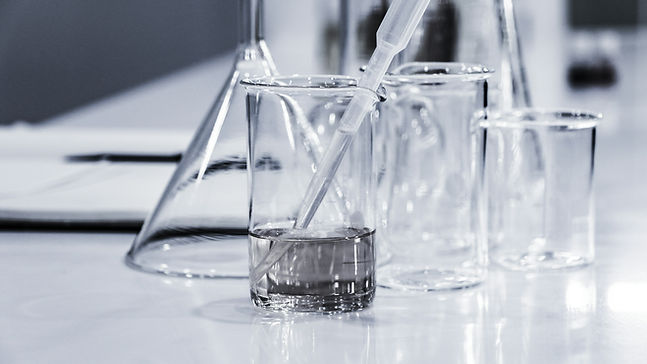
Clear beakers on white table
This resource is a part of the Climate Science and Oceans Traveling Trunk

CO2 and Bromothymol Blue Demo

Overview

Students will use bromothymol blue as a pH indicator to visually demonstrate the reaction between carbon dioxide and water. Students will understand that carbon dioxide changes the chemistry of water when it enters the system. Students will connect this experiment to the changing chemistry of our oceans due to increased carbon dioxide emissions.

Activity Type:

Lesson

Target Grade Level:

K-2, 3-5, 6-8, 9-12

Estimated Duration:

Varies

Topics:

Oceans

Possible Connections to NGSS

Performance Expectations

5-ESS3-1: Combine and obtain information about ways individual communities use science ideas to protect Earth’s resources and environment.

MS-PS1-2: Analyze and interpret data on the properties of substances before and after the substances interact to determine if a chemical reaction has occurred.

MS-LS1-5: Construct a scientific explanation based on evidence for how environmental and genetic factors influence the growth of organisms.

MS-LS2-4: Construct an argument supported by empirical evidence that changes to physical or biological components of an ecosystem affect populations.

MS-ESS3-4: Construct an argument supported by evidence for how increases in human population and per-capita consumption of natural resources impact Earth’s systems.

HS-ESS3-1: Construct an explanation based on evidence for how the availability of natural resources, occurrence of natural hazards, and changes in climate have influenced human activity.


Created by:

Climate Kids

Climate Kids

Find more resources like this one

Climate Kids Connects is our online education portal consisting of educational resources and activities about important climate topics that support youth, educators, and the community at large.

Related Resources

Colorful water ballons in blue plastic tub
This resource is a part of the Climate Science and Oceans Traveling Trunk

LESSON

Balloon Experiment

K-2, 3-5, 6-8, 9-12

Varies

Oceans

A coral reef in the ocean
This resource is a part of the Climate Science and Oceans Traveling Trunk

LESSON

Building Blocks of Ocean Acidification

K-2, 3-5, 6-8, 9-12

Varies

Oceans

Colorful shells on sand
This resource is a part of the Climate Science and Oceans Traveling Trunk

LESSON

Impacts of Acidic Oceans on Shelled Organisms: Carbonate in Acidic Conditions (Oceans)

3-5, 6-8, 9-12

40 minutes

Food Systems, Oceans

Child's painting on a paper with watercolors and paintbrushes on the table.
This resource is a part of the Climate Science and Oceans Traveling Trunk

LESSON

Artistic Creations of Our Oceans Facing a Changing Climate: Ocean Warming

K-2, 3-5, 6-8, 9-12

Varies

Oceans

Recycled Paper
climatekidslogo_white_simple.png
Climate Science Alliance sun-03.png
educating youth on climate change through science, art, and storytelling
a program of the climate science alliance
newsletter

Subscribe to our newsletter to keep up-to-date on Climate Science Alliance projects, training opportunities, climate resources, and more!

connect with us
explore

follow us:

  • Facebook Page
  • Instagram Profile
  • YouTube Channel
Recycled Paper

The Climate Science Alliance Team acknowledges the Indigenous peoples on whose traditional territory we work and live. We honor the continued presence and resilience of Indigenous communities and nations today, and thank those we work with for your friendship and your good will in our efforts to collaborate.


The Climate Science Alliance is fiscally sponsored by the California Wildlife Foundation (Tax ID: 68-0234744).

© Climate Science Alliance 2025

bottom of page