top of page
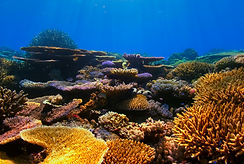
Star fish on the ocean floor.

Climate Science & Ocean Acidification

Overview

Learn about the importance of marine ecosystems for the environment and understand how these ecosystems are being affected by climate change and ocean acidification.

Activity Type:

Video

Target Grade Level:

6-8, 9-12

Estimated Duration:

10 minutes

Topics:

Oceans

Possible Connections to NGSS

Performance Expectations

3-ESS2-2: Obtain and combine information to describe climates in different regions of the world.

4-LS1-1: Construct an argument that plants and animals have internal and external structures that function to support survival, growth, behavior, and reproduction.

4-ESS3-1: Obtain and combine information to describe that energy and fuels are derived from natural resources and their uses affect the environment.

5-ESS3-1: Combine and obtain information about ways individual communities use science ideas to protect Earth’s resources and environment.

MS-LS2-4: Construct an argument supported by empirical evidence that changes to physical or biological components of an ecosystem affect populations.

5-ESS2-2: Describe and graph the amounts and percentages of water and fresh water in various reservoirs to provide evidence about the distribution of water on Earth.

MS-ESS3-4: Construct an argument supported by evidence for how increases in human population and per-capita consumption of natural resources impact Earth’s systems.

HS-LS2-5: Develop a model to illustrate the role of photosynthesis and cellular respiration in the cycling of carbon among the biosphere, atmosphere, hydrosphere, and geosphere.

HS-ETS1-1: Analyze a major global challenge to specify qualitative and quantitative criteria and constraints for solutions that account for societal needs and wants.

HS-ESS2-5: Plan and conduct an investigation of the properties of water and its effects on Earth materials and surface processes.


Created by:

Alex Warneke

Alex Warneke

Find more resources like this one

Climate Kids Connects is our online education portal consisting of educational resources and activities about important climate topics that support youth, educators, and the community at large.

Related Resources

Colorful water ballons in blue plastic tub
This resource is a part of the Climate Science and Oceans Traveling Trunk

LESSON

Balloon Experiment

K-2, 3-5, 6-8, 9-12

Varies

Oceans

Clear beakers on white table
This resource is a part of the Climate Science and Oceans Traveling Trunk

LESSON

CO2 and Bromothymol Blue Demo

K-2, 3-5, 6-8, 9-12

Varies

Oceans

A coral reef in the ocean
This resource is a part of the Climate Science and Oceans Traveling Trunk

LESSON

Building Blocks of Ocean Acidification

K-2, 3-5, 6-8, 9-12

Varies

Oceans

Colorful shells on sand
This resource is a part of the Climate Science and Oceans Traveling Trunk

LESSON

Impacts of Acidic Oceans on Shelled Organisms: Carbonate in Acidic Conditions (Oceans)

3-5, 6-8, 9-12

40 minutes

Food Systems, Oceans

Recycled Paper
climatekidslogo_white_simple.png
Climate Science Alliance sun-03.png
educating youth on climate change through science, art, and storytelling
a program of the climate science alliance
newsletter

Subscribe to our newsletter to keep up-to-date on Climate Science Alliance projects, training opportunities, climate resources, and more!

connect with us
explore

follow us:

  • Facebook Page
  • Instagram Profile
  • YouTube Channel
Recycled Paper

The Climate Science Alliance Team acknowledges the Indigenous peoples on whose traditional territory we work and live. We honor the continued presence and resilience of Indigenous communities and nations today, and thank those we work with for your friendship and your good will in our efforts to collaborate.


The Climate Science Alliance is fiscally sponsored by the California Wildlife Foundation (Tax ID: 68-0234744).

© Climate Science Alliance 2025

bottom of page